Latvia · July 2026
Cesis
Cesis is one of the oldest, most picturesque and romantic cities in Latvia, founded back in 1206. It is located in the heart of the Gauja National Park, where centuries of history are intertwined with a unique topography: steep hills, pine forests, ancient ravines and valleys with sandy cliffs.
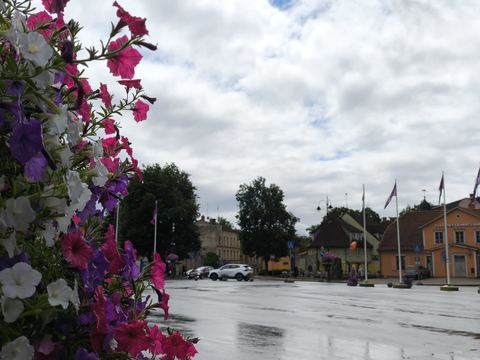
Unlike many Latvian cities, Cesis managed to preserve its authentic layout of the 13th–18th centuries. There is no bustle of the metropolis here - life flows in a measured rhythm among wooden architecture, cobblestone pavements and intimate art spaces. At the same time, Cesis is considered one of the main cultural capitals of the regions: in the summer it turns into a venue for large-scale festivals, contemporary art shows and academic concerts.
How to get to the city
By public transport
Diesel trains run from Riga from the Central Station (direction to Cesis / Valmiera / Valga). Travel time is about 1.5 hours.
Cost: About 4.50–6.00 EUR one way.
⚠️ Important point: It is strongly recommended to buy train or bus tickets in advance online in both directions. There are no ticket offices at the station in Cesis, so there is physically nowhere to buy a ticket on the spot.
By car
From Riga along the Vidzeme highway (A2) through Sigulda and Līgatne. Distance - about 90 km, travel time - 1 hour 15 minutes.
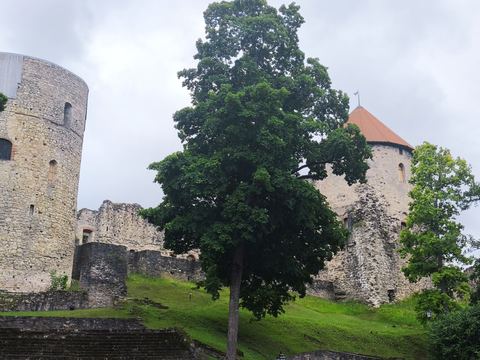
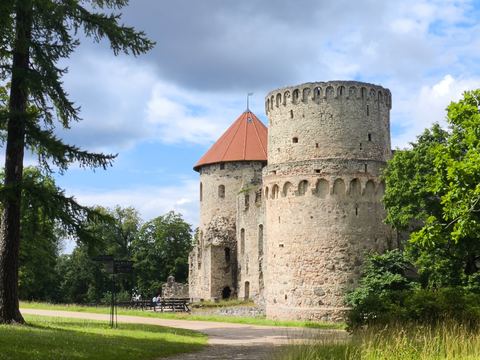
Cesis is a recognized historical center of Latvia, where the heart of the city belongs to the Cesis medieval castle (Cēsu viduslaiku pils), founded in the 13th century by the Knights of the Order of the Sword. Guests are invited to climb the towers with real lit lanterns in their hands, walk along dark spiral staircases and go down into the dungeons, completely immersing themselves in the atmosphere of the harsh Middle Ages.
What to see
Cesis Castle
One of the best preserved castles of the Livonian Order in the Baltics. Its construction began in 1209, and for a long time the castle served as the residence of the masters of the order. The main draw for tourists is the interactive experience: at the entrance, everyone is given a real lantern with a candle, with which you climb the narrow spiral staircases to the West Tower and descend into the dark dungeons. In the summer, craftsmen work in the castle courtyard to demonstrate medieval technologies, and there is a vegetable garden with plants from that time.
New Castle and Museum of History and Art
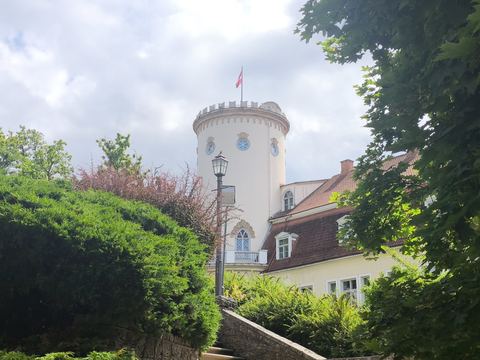
Adjacent to medieval ruins. The castle was built in the 18th century on the basis of former fortifications and served as the residence of the count family of Sievers. Inside there is a rich exhibition reflecting the history of the region from the Wends to the present day. Don't forget to climb the Lademacher Tower: it offers the best panoramic view of the old town, medieval ruins and the endless forests of the Gauja.
Old Town and St. John's Church
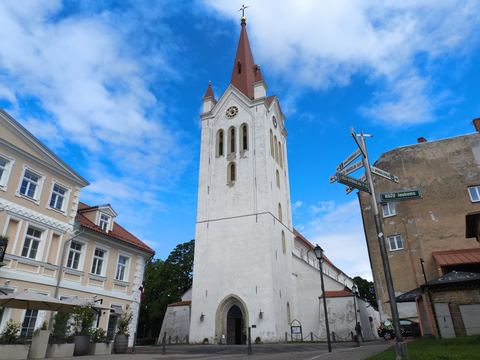
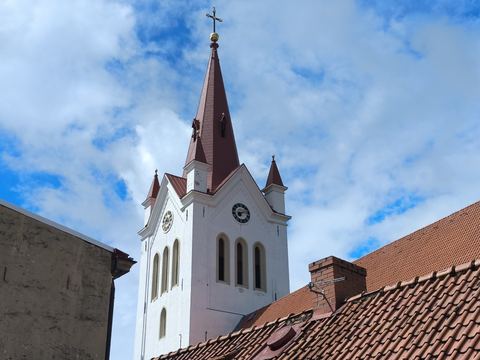
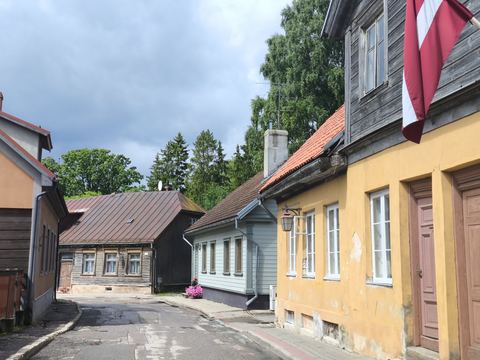
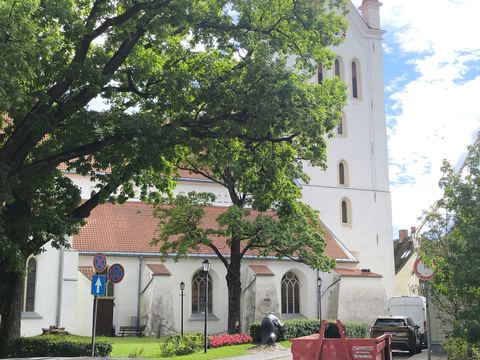
The central part of Cesis has preserved the medieval network of narrow, winding streets. The Church of St. John is the largest medieval temple outside of Riga (built at the end of the 13th century). It served as the main church of the Livonian Order, where the burials of the great masters have been preserved to this day. Inside there is a magnificent 19th-century organ, and its high tower offers another impressive view of the city.
Castle Park and May Park
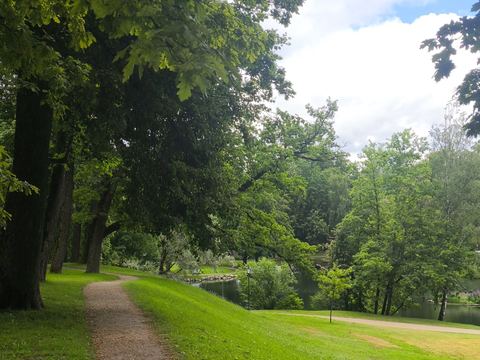
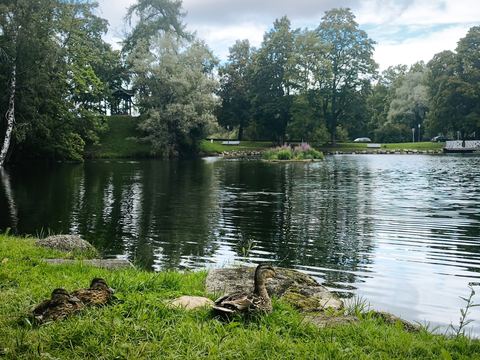
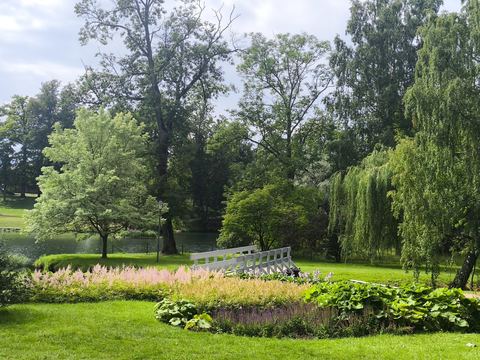
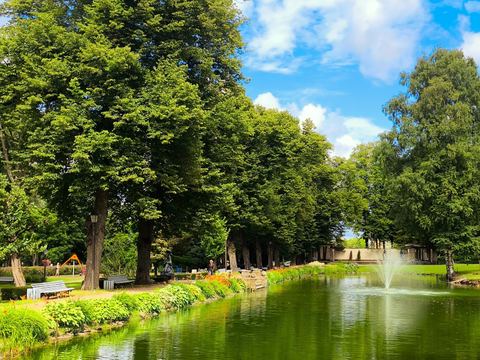
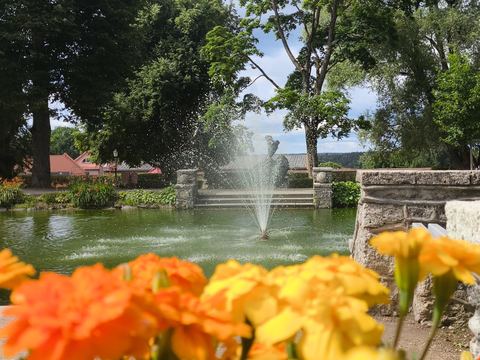
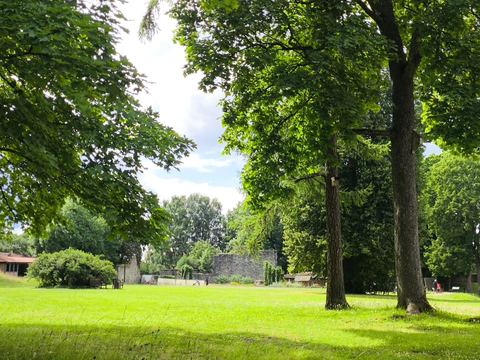
The castle park was created by Count Sievers in the 19th century as a romantic landscape garden: with ancient trees, artificial ruins, grottoes and a pond in which the castle towers are reflected. May Park is more modern and family-friendly, with beautiful fountains, sculptures and a pond where graceful black swans live.
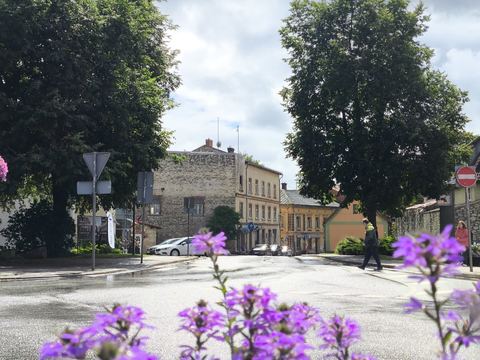
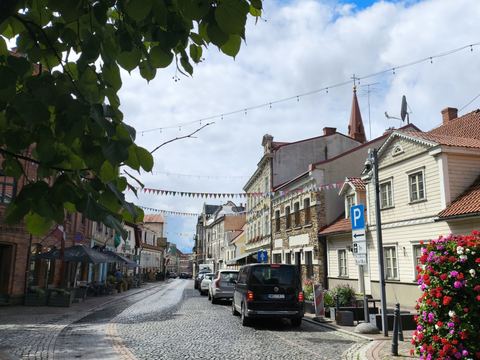
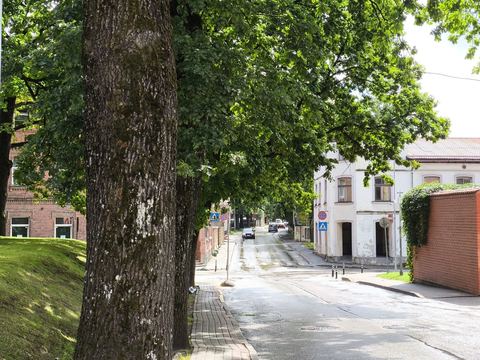
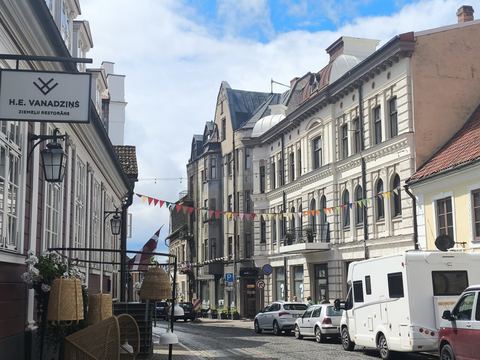
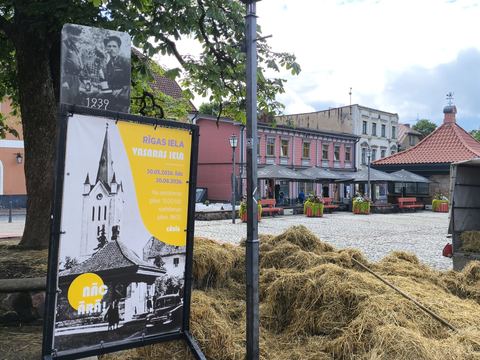
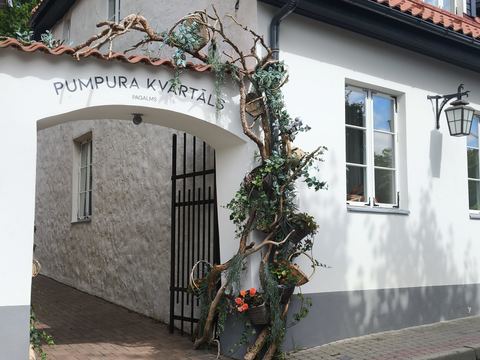
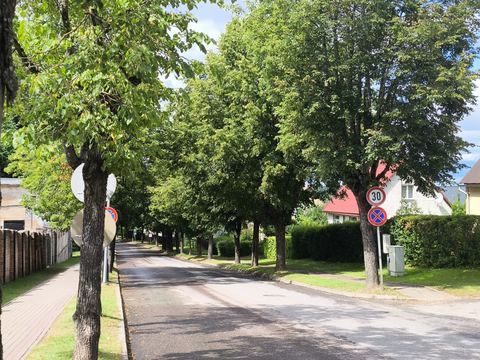
The old town of Cesis has preserved its historical layout from the 13th century. Narrow cobbled streets, low wooden and stone houses, cozy courtyards and small relief create a cosiness that is rare for the Baltics. In the very center stands the Church of St. John - one of the largest medieval churches in Latvia, from the bell tower of which the best panorama of tiled roofs and green hills opens.
Where to stay
Hotel Cesis
A practical classic within walking distance from the Castle Park and the pedestrian area. A convenient, proven place for travelers by car or with family: spacious, clean rooms, hearty breakfasts and its own private parking.
Cesis is surrounded by the picturesque nature of the Gauja River valley. In the immediate vicinity of the city there are the majestic sandstone cliffs of Zvārtes iezis and Ērgļu klintis, mirror springs, hiking trails and routes for boating and kayaking. Cesis serves as an ideal starting point for exploring the nature of Vidzeme.
Where to eat
Pasēdnīca
The main “soulful” place in the city with a very loyal local audience. The format combines a cozy bistro and a city cafe: it serves hearty, honest homemade and European cuisine. Huge portions, reasonable prices, excellent soups, meat dishes and fresh pastries. An ideal choice for a hearty lunch in the middle of a busy day.
Vanadziņa Māja
Flagship restaurant serving modern Nordic (New Scandinavian) cuisine, located in a renovated historical complex. The menu is built around seasonal local products from Vidzeme: game, local fish, forest mushrooms and berries. Aesthetic, original presentation, a thoughtful wine list and atmospheric design of the room make it the best choice for an evening dinner.
Mākslas telpa MALA
A creative art space and a vegetarian/vegan cafe rolled into one. Worn wood floors, vintage furniture, exhibitions by emerging artists and regular live concerts. The menu includes vegetarian soups, hearty bowls, fresh quiches, homemade lemonades and pastries. The atmosphere is very relaxed, hipster and informal.
Next to the medieval fortress is the New Castle of the 18th century in the neo-Gothic style, where today the Cesis Museum of History and Art operates. The castle complex is surrounded by a romantic landscape park with an artificial pond, centuries-old trees, sculptures and pond systems. This is an ideal place for leisurely walks and photo sessions at any time of the year.
Places map
👀 What to see
🛏️ Where to stay
🍽️ Where to eat
Additional info
Practical information and history
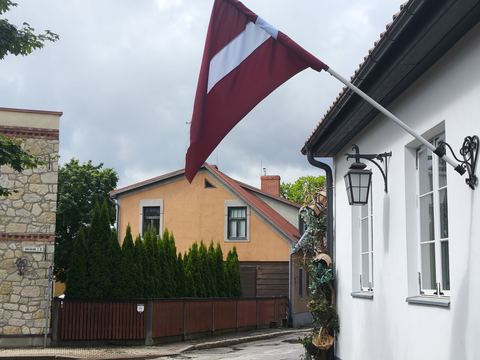
- Cesis is the birthplace of the state flag: It was in the Cesis Chronicles (Rhymed Chronicle) of 1279 that the red-white-red flag of the Cesis militia was first mentioned, which later became the official state flag of Latvia.
- Festivals and culture: In summer, Cesis is transformed. It hosts the annual large-scale Communication Festival LAMPA (bringing together tens of thousands of people for discussions and lectures) and the Cesis Art Festival, attracting the best artists, directors and musicians.
What else should be included in the program
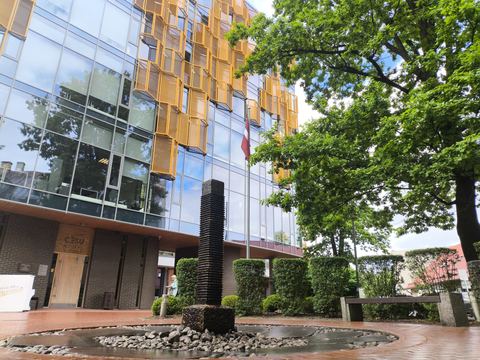
- Concert Hall “Cēsis”: An ultra-modern acoustic complex, built while preserving elements of the historical building of the House of Latvian Society. Concerts of world classical and jazz music, film screenings and exhibitions are regularly held here.
- Walk to Āraiši: A 10-minute drive from Cesis is the Āraiši Archaeological Park with the only reconstruction in Europe of a fortified settlement of ancient Latgalians of the 9th–10th centuries right in the middle of the lake.
Photos
Live here
No one from the community has marked this city as home yet.
Have been here


Mark your own city in My places →