Latvia · July 2026
Liepaja
Liepaja is the third largest city in Latvia, located on the southwestern coast of the Baltic Sea. The city, officially known as "the city where the wind is born", uniquely combines an atmosphere of artistic freedom, a rich musical history, the romance of the rugged Baltic coast and the harsh heritage of a former military base.
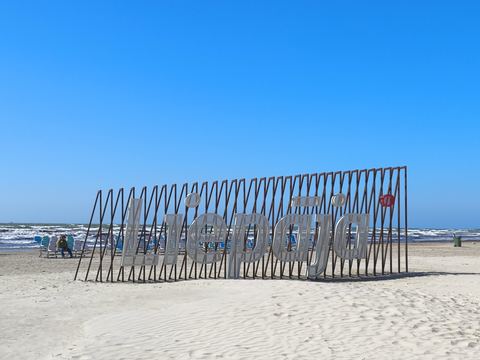
The city is famous for its wide sandy beach with fine white sand, ancient wooden and modern architecture, legendary rock culture and the contrasting military district of Karosta.
Liepaja is rightfully considered the musical capital of Latvia and the birthplace of Latvian rock. The city is literally saturated with creativity: there are monuments to famous musicians on the streets, and in the center there is the “Walk of Fame of Latvian Musicians” and a huge bronze guitar. The symbol of modern cultural life has become the concert hall “Lielais Dzintars” (“Amber”) - an architectural masterpiece the color of Baltic amber with world-class acoustics.
What to see
Concert Hall “Lielais Dzintars” (“Amber”)
Architectural symbol of modern Liepaja. The futuristic-shaped, amber-colored building houses a world-class acoustic concert hall. It’s worth coming here not only for a concert, but also just for a tour or for the view from the windows of the upper floors.
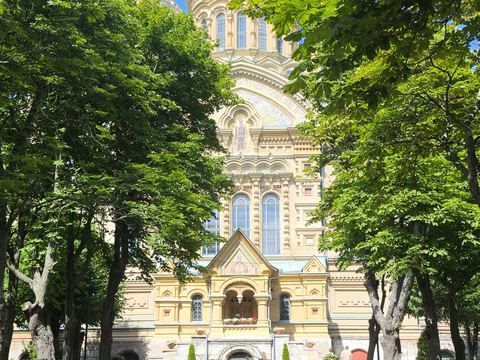
Karosta area and St. Nicholas Naval Cathedral
A former closed military town of the Russian Empire and the USSR. Its dominant feature is the majestic maritime cathedral with golden domes, in sharp contrast to the brutal, harsh neighborhoods surrounding it.
Northern forts (Ziemeļu forti)
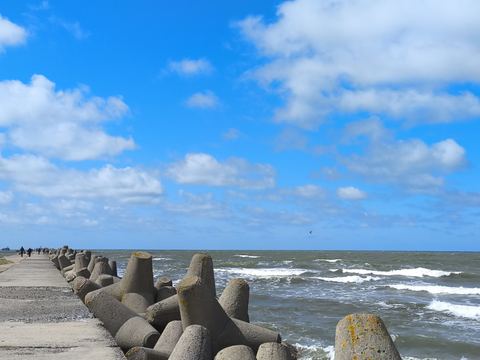
Part of a Russian fortification, located right at the water's edge. Huge concrete bunkers, dilapidated by storms and slid into the sea, create an incredibly dramatic and cinematic landscape.
Karosta Prison (Karostas cietums)
The only military guardhouse in Europe open to tourists. A place with a dark history, where both classic guided tours and interactive nightly reality shows in the “day behind bars” format are held.
Oscar Kalpak Bridge
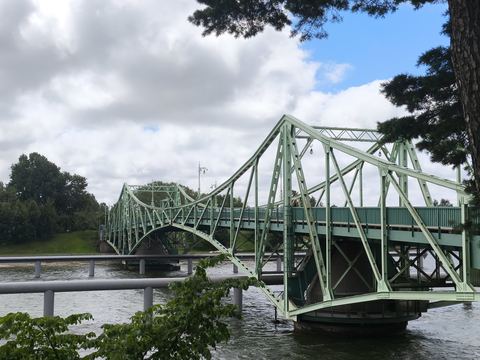
A unique swing metal bridge over the canal, designed by the engineering office of Gustave Eiffel in 1906. The bridge is still regularly raised (rotated 90 degrees) to allow ships to pass through.
Seaside park and beach
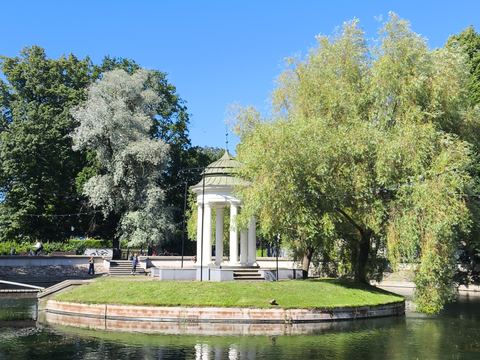
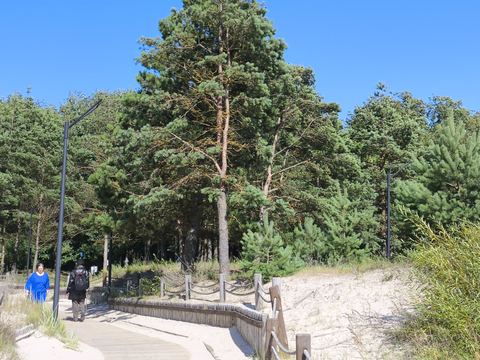
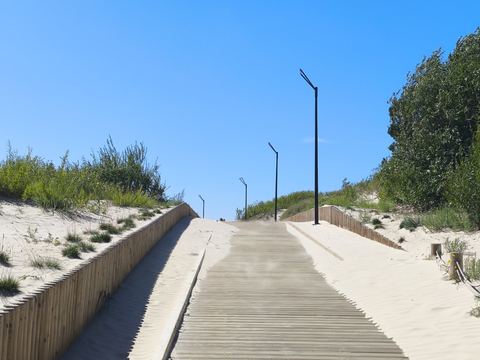
One of the largest artificial parks in Latvia, smoothly turning into the famous beach with fine white sand. The park contains ancient bathing villas, fountains, and a concert stage “Pūt, vējiņi!” and children's playgrounds.
Holy Trinity Cathedral
An 18th-century Lutheran cathedral with a lavish Rococo interior. Inside there is one of the world's largest mechanical organs without reconstruction. The cathedral tower offers an excellent panorama of the city.
Walk of Fame of Latvian Musicians and “Amber Guitar”
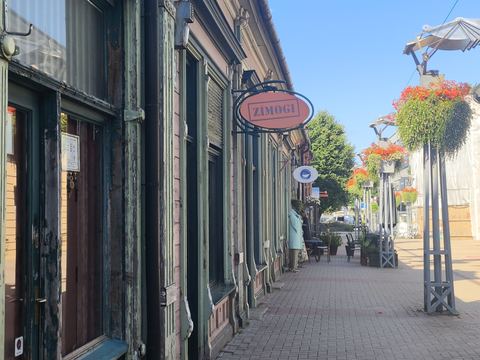
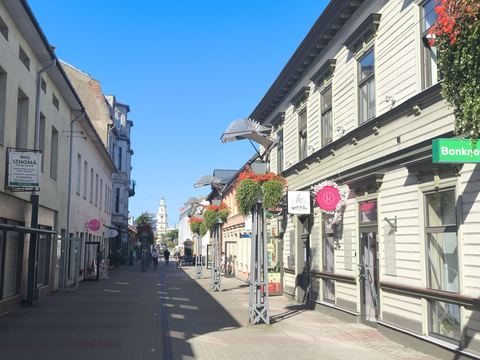
Liepaja is the rock capital of the country. On the pedestrian street Zivyu you can find bronze slabs with handprints of famous musicians and bands, and nearby there is a huge monument-guitar made of amber.
Promenade of the Trade Canal and the Old Port
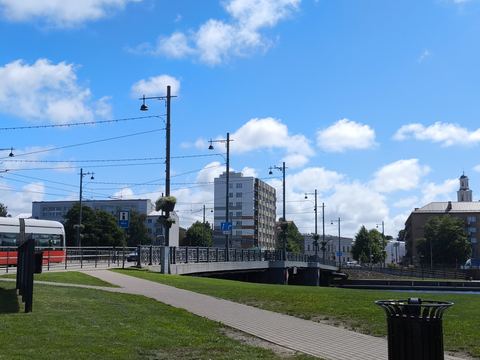
The restored embankment along the canal connecting the lake with the sea. A pleasant place for evening walks with views of the port cranes, yachts, ancient barns and the pedestrian amber bridge.
Promenades and towers of Lake Liepaja
For nature lovers, the lake has wooden bridges leading through reed thickets to bird watching towers, as well as kite and paddle board rentals.
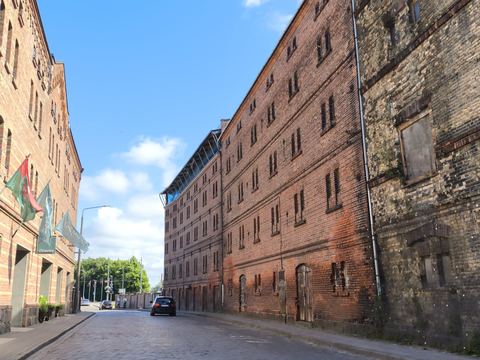
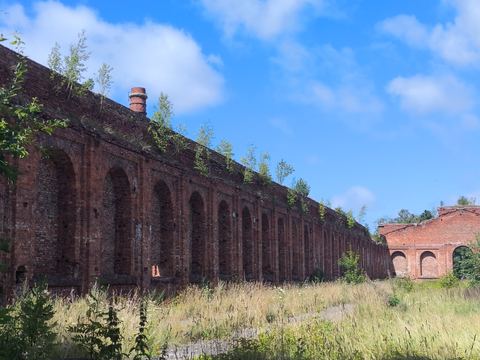
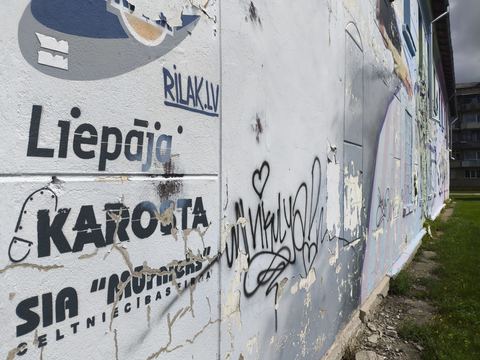
The northern part of the city is the unique military-historical complex Karosta (Military Port), built at the end of the 19th century by order of the Russian Emperor Alexander III. This is a separate “city within a city” with the majestic St. Nicholas Naval Cathedral, a gloomy garrison prison (where today interactive tours and shows are held), the Oskar Kalpak drawbridge and the picturesque Northern Forts, going straight into the sea waves.
Where to stay
Promenade Hotel Liepaja
A five-star design hotel located in an old port barn on the banks of the Trade Canal.
Liva Hotel
A large and affordable hotel within walking distance of key attractions and the Lielais Dzintars concert hall.
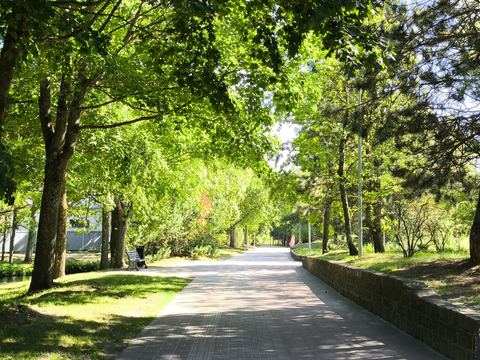
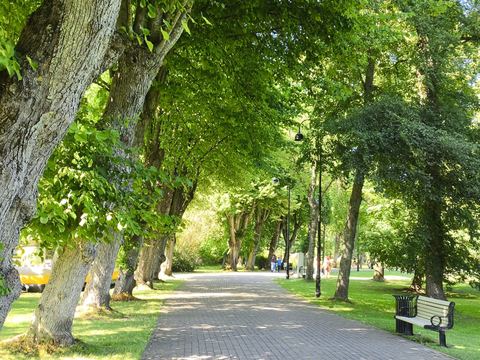
Liepaja beach is famous for the finest and whitest sand on the entire Baltic coast - previously it was even used without additional cleaning for an hourglass. The Primorsky Park stretches along the coast - one of the largest artificially created parks in the Baltics with shady alleys, ancient villas, tennis courts and convenient access to the sea.
Where to eat
Mols (Restaurant Promenade Hotel)
Fine restaurant overlooking the canal. Excellent fish and meat cuisine, dishes from local Baltic products.
Parka Pavilions
The restaurant is located in a restored historical pavilion right in the middle of the Primorsky Park. A great place for lunch or dinner after a walk by the sea.
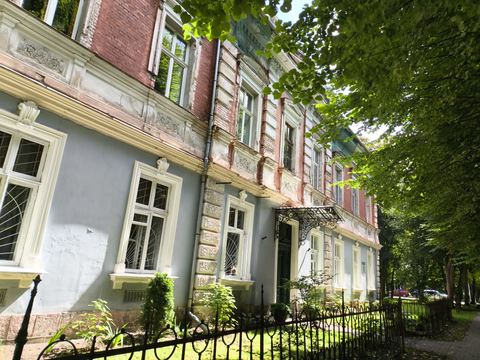
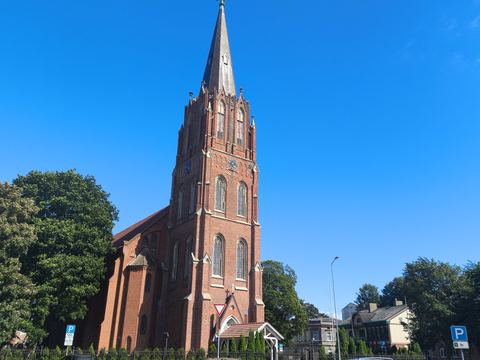
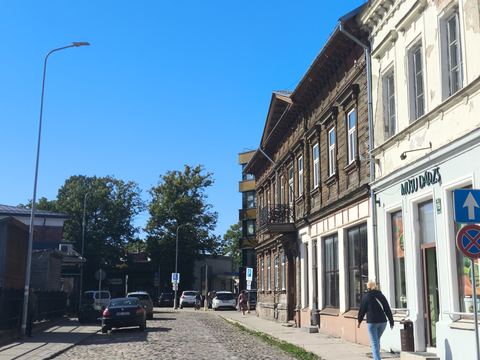
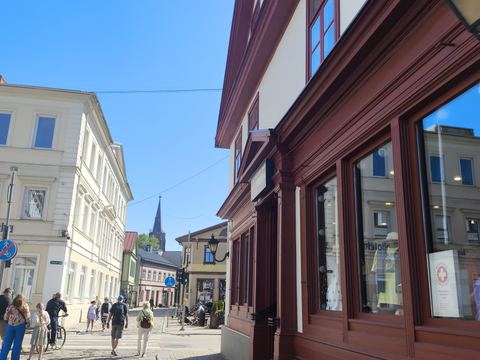
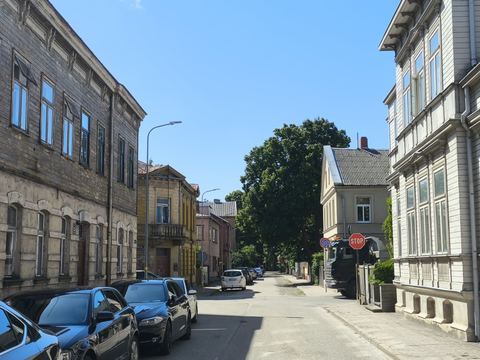
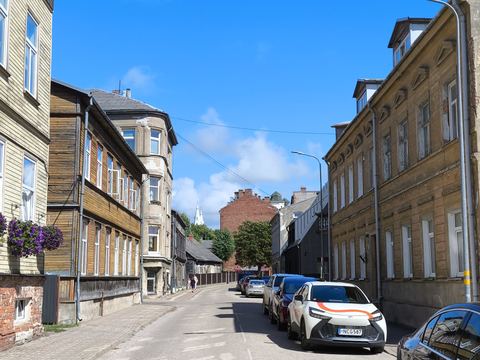
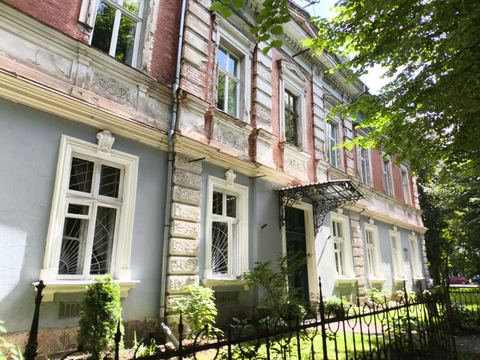
Walking through the center of Liepaja, you can see an amazing mix of eras: from ancient wooden houses of the 19th century and exquisite Art Nouveau (Art Nouveau) to majestic temples. The Cathedral of the Holy Trinity houses one of the world's largest mechanical organs, which still plays during concerts, and the street network is penetrated by a tram line - by the way, the oldest in the Baltic countries.
Places map
👀 What to see
🛏️ Where to stay
🍽️ Where to eat
Additional info
⚬ Signature dish: Be sure to try “Liepājas menciņš” - a traditional city dish of smoked cod, potatoes and onions, baked in a clay pot.
⚬ Navigation: There are special tourist and musical routes throughout the city: you can follow the streets using the notes built into the sidewalk.
Photos
Live here
No one from the community has marked this city as home yet.
Have been here


Mark your own city in My places →